


Why I Keep Going Back to Solana Explorers (and Why It Matters)
Whoa! I keep poking around Solana explorers every week. They tell a story about transactions and accounts. Sometimes that story is messy, sometimes it’s clear. When you dig into a transaction on a good explorer, which shows instruction logs and compute units, you start to see the chain’s personality.
Seriously? Yes — the tools really shape what you can do. Initially I thought transaction hashes were enough for most users, but then I realized that decode tooling, token mint mapping, and program labels change everything for troubleshooting. On one hand raw data is pure and honest, though actually you need filters and UX sleights to make sense of heavy activity during a DEX surge. My instinct said more readability would help.
Hmm… Solana’s explorers vary a lot. Some prioritize performance, others prioritize insights. I’ve used a couple and had mixed feelings. There are times where latency or missing logs made an investigation take twice as long as it should, leading to frustration among devs and traders who need fast answers.
Here’s the thing. Solscan stands out often in my workflow. I’m biased, but the balance between search speed, decoded instructions, and token metadata usually gets me where I need to go without hopping between tools. Actually, wait—let me rephrase that—no single explorer is perfect and you will find edge cases that require cross-checking on-chain raw RPC responses or another viewer. Oh, and by the way, some features are subtle.
Wow! Transaction tracebacks can be a lifesaver. They unravel nested program calls and token movements clearly. That clarity matters when money moves fast and errors cost real dollars. When you’re chasing a failed swap or trying to confirm a multisig approval, having decent logs and links to related accounts saves hours and reduces stress.
No kidding. I remember a night I chased a dropped transaction. The network load was high, confirmations lagged, and my first impression was that the wallet had failed, but tracing the transaction hash with instruction logs revealed a program-level retry that clarified the situation. My instinct said the wallet was the culprit, though actually the on-chain events told a different, less convenient story about congestion and partial fills across pools. That moment taught me to trust explorers that surface the right details.
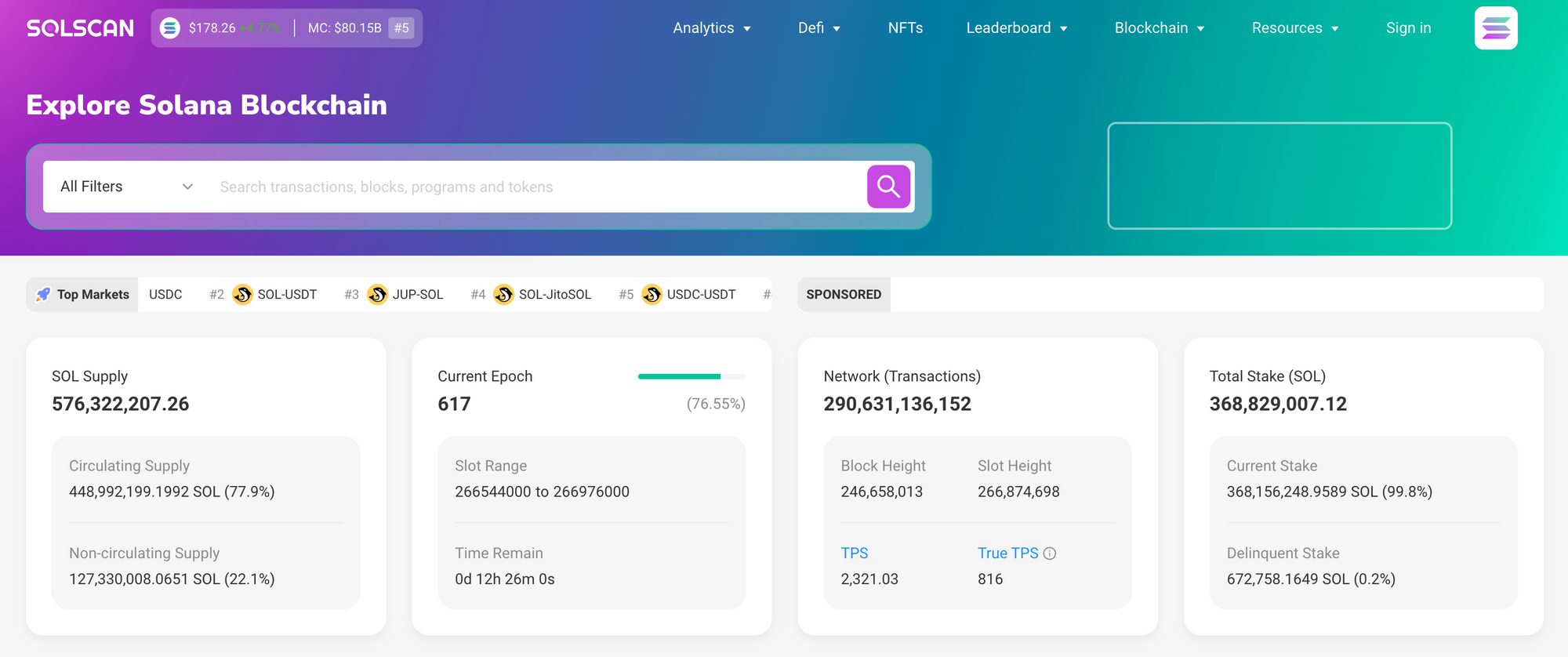
Okay, so check this out—The right explorer does more than show numbers. It connects to token mints and program docs when possible. Helpful labels and links reduce guesswork for new users. Especially for people onboarding into DeFi, when token accounts proliferate and SPL tokens look identical without proper metadata, those labels prevent costly mistakes and mis-sends.
I’m not 100% sure, but sometimes explorers obscure how compute units are consumed. If you build on Solana or operate bots, compute profiling matters because you might be priced out of a strategy if a program suddenly uses extra cycles under load. On one hand you can optimize instructions and reduce compute, though on the other hand you may need to reroute logic between programs which adds complexity and testing overhead. This part bugs me.
Where I go first
Really? I usually head to solscan explorer official site when I need quick decoding and token context. The interface surfaces token metadata and program labels fast. Search is forgiving with partial names or public keys. Because it stitches together verified metadata and third-party data sources, I can often resolve identity questions about mints and marketplaces without jumping to raw RPC calls.
Something felt off about some explorers. They hide the nitty-gritty or present it in cryptic dumps. On one hand that reduces noise for casual users, but on the other hand advanced users lose access to vital evidence during incidents, which is a trade-off that deserves debate. I’ll be honest, it’s hard to balance UX simplicity with forensic depth, and teams building explorers will always be chasing that compromise as Solana evolves. In short, pick an explorer that matches your needs.
FAQ
Which explorer is best for debugging transactions?
It depends on what you need. For decoded instructions and quick token context I reach for the tool linked above most often, but for raw RPC traces and custom analytics you’ll sometimes need a second viewer or your own local tooling. Somethin’ about having both a comfy UI and a raw dump available makes incident response much faster.
How do explorers show token metadata?
They aggregate on-chain metadata, verified registries, and indexer feeds to attach names, logos, and links to mints. This isn’t perfect — there are edge cases and unverified tokens — but the extra context is very very important when avoiding mistakes like sending funds to the wrong mint.

Recent Comments