


Why I Started Using a Solana Browser Wallet — and Why Phantom Stuck
Whoa, this is wild. I clicked “add extension” on a whim and then spent the next two days testing every corner of the UI. My first thought was: speed — transactions moving like they had an espresso shot. Initially I thought any wallet would feel the same, but then realized there are tiny UX and security choices that actually change day-to-day comfort. Here’s what I dug into next, and why some things stuck with me…
Seriously? The speed on Solana is real. Short confirmation times matter when you’re flipping NFTs or interacting with DeFi pools. On the other hand, speed without clear feedback is scary — that part bugs me. Something felt off about certain extensions that showed only a spinner and no context (oh, and by the way, that spinner felt endless). My instinct said: if I can’t tell what happened five seconds after I hit confirm, I don’t trust it fully.
Hmm… let me back up a sec. I tried wallet A, wallet B, and then a version that called itself “pro-grade.” The pro-grade one had too many prompts and too many modal windows. Initially I thought more confirmations meant more safety, but actually, wait—let me rephrase that—more prompts sometimes mean more surface area for mistakes. On one hand more prompts reduce accidental sends, though actually they can train you to click through without reading. So there’s a balance to hit (and somethin’ about that balance has to feel humane).
A practical look at features — and why I recommend phantom wallet
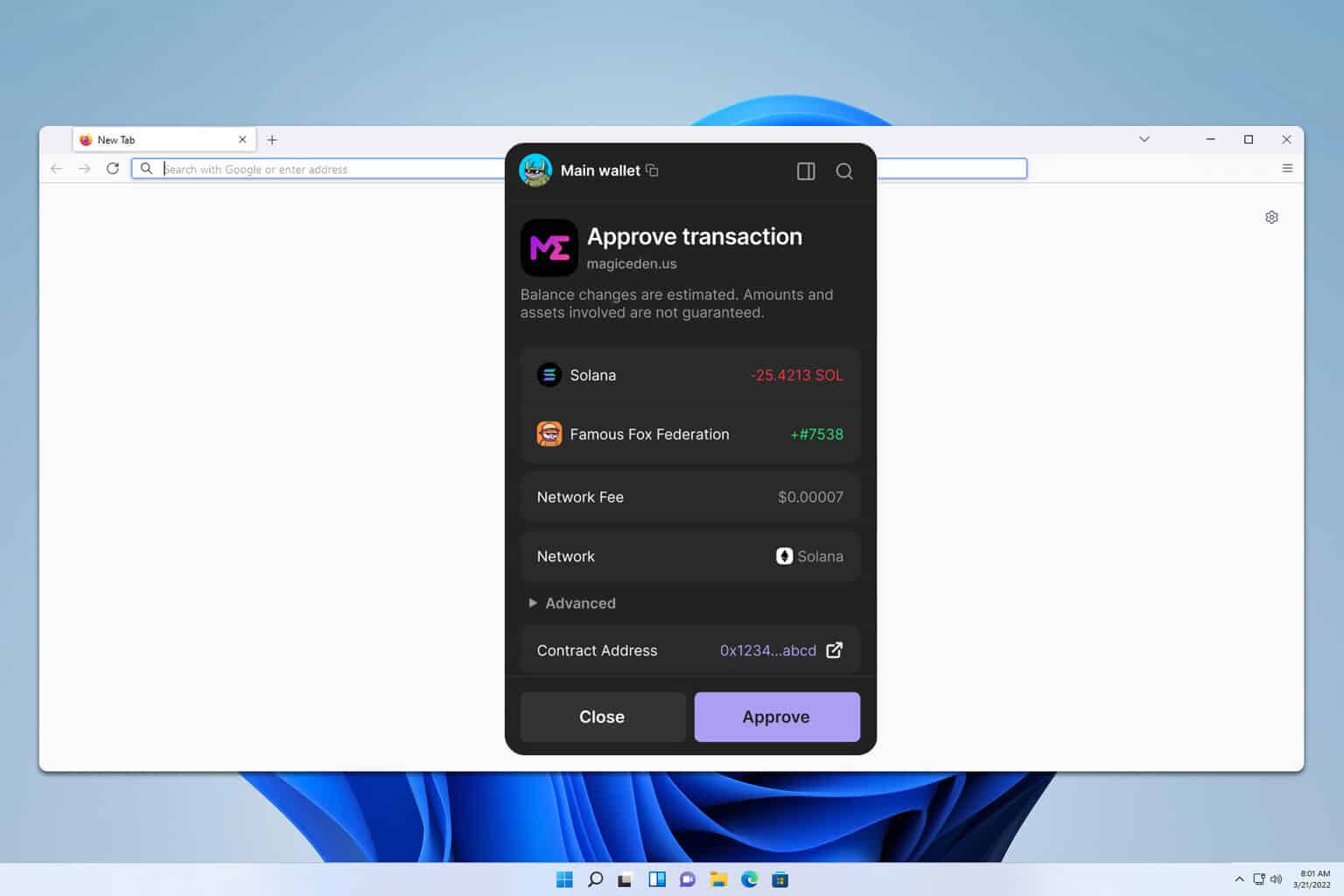
Okay, so check this out—what made me comfortable enough to keep using an extension was a mix of design, clarity, and predictable recovery. The wallet that hit those notes for me was phantom wallet, because it combined a clean, local-key-first model with thoughtful UX for NFTs and token swaps. I liked that it previewed transaction details clearly and showed fees in a way my non-crypto friends could understand. I’m biased toward tools that don’t hide complexity behind cryptic words; this one explained things without being condescending. That matters when you’re in a coffee shop in San Francisco and you need to explain to someone why their NFT transfer failed (yeah, true story — felt like a pop quiz).
Here’s what bugs me about many crypto extensions: they treat the recovery phrase like an afterthought. Seriously. They shove it in a modal, you copy it, and then they assume you’re set. But I’ve seen people lose access because the phrasing included punctuation or because a mobile keyboard auto-corrected a word during backup. My pragmatic fix was to test the restore flow multiple times in a throwaway profile. If the restore doesn’t feel predictable, I toss the wallet and move on. That simple test separates wallets that care from wallets that ship quickly and hope for the best.
On security: I prefer local key management and clear permission boundaries. Short sentence: permission clarity matters. When an app requests access to “view public address,” that’s okay. When it asks for permission to “sign transactions” without showing the payload, that raises a red flag. Long story short, I inspected how the extension represents requests to sign NFTs versus fungible tokens and whether it shows contract call details (many do not, and that is a problem). My intuition is that transparency nudges better behaviors; the more you see, the less likely you are to accidentally authorize a bad contract.
Now the UX nitty-gritty. Wallets that show clear NFT thumbnails and metadata win user trust quickly. Why? Because you can visually confirm items before approving. I remember opening a wallet that only showed text names for NFTs; I had to hunt on Etherscan-style explorers (no thanks). The good ones render art, name, and collection info inline, which reduces cognitive load and hesitation. I’m not 100% sure that’s foolproof, but it’s a huge quality-of-life improvement.
Practical tip: test with small amounts first. Really. Try sending 0.001 SOL to your second account and back. The round-trip will teach you about gas estimation, confirmation speed, and UI messaging. It also reveals whether the extension handles edge cases like network hiccups gracefully or whether it squawks and leaves you hanging. If a wallet handles retries cleanly, that’s a sign the team has thought about real-world friction.
Another thing I watch is extension updates and changelogs. Frequent patching is good, though very very frequent updates that break UI are annoying. If the team communicates reasons for changes and documents security fixes, that builds trust. If they go silent, my radar goes up. I keep an eye on GitHub or their public blog (or sometimes Discord if that’s where the devs hang out). Transparency at that level is telling; teams that say nothing are often the ones who hide somethin’.
Now, wallet integrations. Does the wallet play nice with marketplaces and DeFi apps? Short: compatibility matters. Medium: you want predictable behavior when a DApp requests signature or wallet connection. Long: I’ve seen cases where wallet-specific quirks caused funds to be locked in contracts because the signature flow split into two steps and the DApp didn’t handle it — nobody thought to simulate a slow network, or to offer a friendly fallback. So again, I test with a handful of apps across different domains to see how seamless the experience is.
Community matters too. If users post reproducible bugs and the devs respond, that’s a sign the project has a pulse. If the UI is full of one-off workarounds trotted out by power users, I’d rather the team fix the root cause. On the flip side, a healthy community also produces helpful guides and clarifications (which I appreciate — saves me time). Sometimes those guides are better than the official docs, which is funny but also useful.
FAQ
Is a browser extension wallet safe for NFTs?
Short answer: yes, with caveats. Use a wallet that clearly shows contract interactions and uses local key storage. Always verify the exact action before signing and practice with small transactions first.
Can I use the same wallet across devices?
Mostly yes, by restoring with your recovery phrase. But be careful: mobile keyboards and copy-paste can introduce errors, so I recommend testing restores on a secondary profile before relying on it. Also, be aware that some browser extensions and mobile apps expose different UX patterns for signing.
Okay, to wrap the thought (but not in a boxed summary): I’m not evangelizing any single product as perfect. I’m saying that some wallets get the small things right. They show metadata, they present permissions clearly, and they make recovery predictable. My instinct told me those features mattered, testing confirmed it, and actual use over a few weeks cemented my choice. I’m biased, sure, but I’ve spent enough time untangling bad UX to spot the difference.
Final nudge: if you want to try one that’s polished for Solana NFTs and everyday use, check out phantom wallet. Try it with tiny amounts first, poke at the restore flow, and watch how it handles real-world interactions (and then tell me if your experience matched mine — or if it surprised you).

Recent Comments