


Why a hardware wallet still matters: my take on the Trezor approach to Bitcoin security
Whoa! I’ve been living in crypto for a while. Really. At first it felt like every headline screamed “get rich quick,” and then reality hit—security matters way more than hype. My instinct said protect the keys. Something felt off about leaving life savings on an exchange. I wanted a safe place that didn’t depend on anyone else.
So I bought a device. Small. Solid. Unflashy. It changed how I think about ownership. Initially I thought any hardware wallet would do, but then I compared models, used them, and found clear differences in user experience and threat models. Actually, wait—let me rephrase that: the differences matter most when things go wrong, not when everything’s fine.
Here’s the thing. A hardware wallet like a Trezor is not a magic bullet. It’s a tool that reduces attack surface by keeping private keys offline. On one hand, the offline storage means malware on your computer can’t trivially sign transactions. On the other hand, you still must secure the seed phrase and firmware integrity. So you trade one class of risk for another, though usually the trade is worth it.
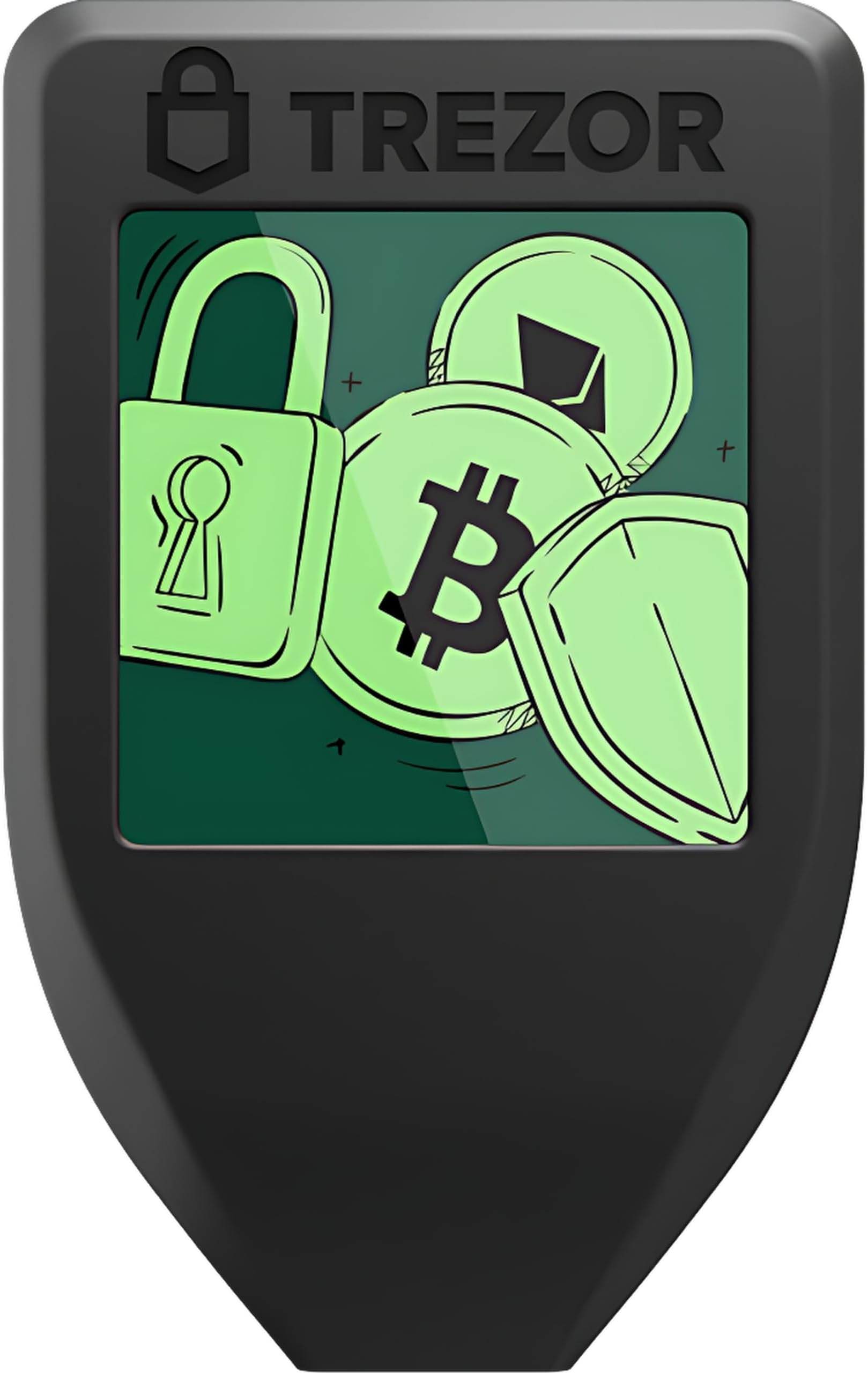
Why go hardware for Bitcoin?
Short answer: custody. Longer answer: when you hold the private keys, you control the Bitcoin. Period. If someone else holds the keys, you don’t. This is basic, but it’s also where people stumble. You can have the strongest password, but that only helps if your private keys aren’t leaked. Hardware wallets isolate keys behind tamper-resistant hardware and a secure UI, often a tiny screen you verify transaction details on.
I’m biased, but that physical confirmation step is huge. It adds friction that attackers hate. And while fees and UX improvements matter, safety is what keeps Bitcoin valuable to ordinary users and institutions alike.
One practical pointer: buy the hardware device from an official channel. Check the packaging, the tamper seals, and the device fingerprint if provided. If somethin’ feels off, don’t use it. Really.
How Trezor approaches security (practical view)
Trezor keeps the private key inside the device and uses a microcontroller to sign transactions. You verify addresses and amounts on the device screen itself. That’s the core design. Hidden complexities include firmware audits, deterministic wallets, and open-source tooling. Trezor’s ecosystem is comparatively transparent—the code gets eyes on it, which I like.
When I set one up, the process felt deliberate. You generate a seed, write it down, and confirm. Annoying? Maybe. But it forces you to accept responsibility. I’m not saying no one can steal from you after that—social engineering and poor storage still get people—but the technical attack vectors are much narrower.
Also—okay, small brag—I’ve used a device to recover a legacy wallet after a computer crash. It worked. So yes: recovery phrases, stored offline and split if needed, have saved emotional and financial pain.
Common mistakes people make
People assume hardware wallets are foolproof. They aren’t. Here are errors I see all the time:
- Storing the recovery seed on a digital photo (bad idea).
- Buying second-hand devices without resetting them.
- Sharing seed words over chat for “help.”
- Neglecting firmware updates or using unofficial software.
The worst offender? Laziness. The second worst is overconfidence. On one hand you can be meticulous and still slip. On the other hand you can be careless and pay for it fast. Which side do you want to be on?
Setting up securely — practical checklist
Don’t make this long. But do this: power up the device in a quiet space. Generate a new seed. Write it down by hand on a durable medium (steel plates exist if you’re paranoid). Verify the recovery by doing a test restore on another device if you can. Keep copies in separate secure locations. Use a passphrase if you understand the risk/reward.
Oh, and update firmware only from official sources. That means using verified software and double-checking signatures when possible. If you’re not comfortable with that, get help from someone who is. I’m not 100% sure you’ll nail it first try—many people don’t—but take it slow.
If you’re exploring options, check a trusted vendor. For example, the official resource for Trezor info is available and helps with setup instructions: trezor wallet. Use that to cross-reference steps and be cautious about copycat sites.
Tradeoffs and real-world considerations
There are tradeoffs. Everything that increases security a bit also increases complexity. Multisig setups are more resilient, but they’re also more technical to manage. Passphrases add plausible deniability but if you forget them, bye-bye funds. Cold storage is great for long-term holdings but miserable for frequent traders.
On a social level, storing a seed in a safe deposit box seems smart until you remember banks can be subpoenaed. So you design your plan around your threat model—not around what looks neat on a forum post. Choose what fits your life and capacity to manage risk.
FAQ
Can a hardware wallet be hacked remotely?
Not easily. The main remote risks involve attacks on the host computer or phishing around software. Direct remote extraction of private keys from a well-made hardware wallet is near-impractical for the average attacker. Physical compromise and social engineering remain bigger threats.
What if I lose the device?
If you’ve properly saved your recovery phrase (and optionally a passphrase), you can restore your wallet to a new device. If you lose both the device and the seed, recovery is impossible. So back up the seed in a way that survives fire, flood, and forgetfulness.
So where does that leave you? If you care about holding Bitcoin long-term, a hardware wallet is a low-friction, high-value piece of kit. It won’t save you from every mistake, but it removes the stupid easy attacks. I’m realistic—it’s not perfect, and some parts bug me—but it raises the bar in a way that actually helps.
Okay, one last nudge: take the time to design your backup plan. Test restores. Talk through it with someone who knows what they’re doing (oh, and by the way… jot down the steps). Your future self will thank you.

Recent Comments